


APHOTOFAUNA
An online educational resource dedicated to the photography of
terrestrial wildlife and their habitats, found across South-West
England and the Devon and Cornwall Peninsula by David Fenwick.

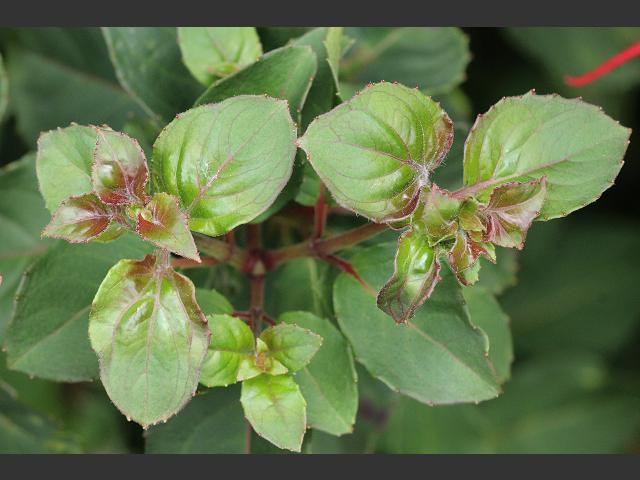
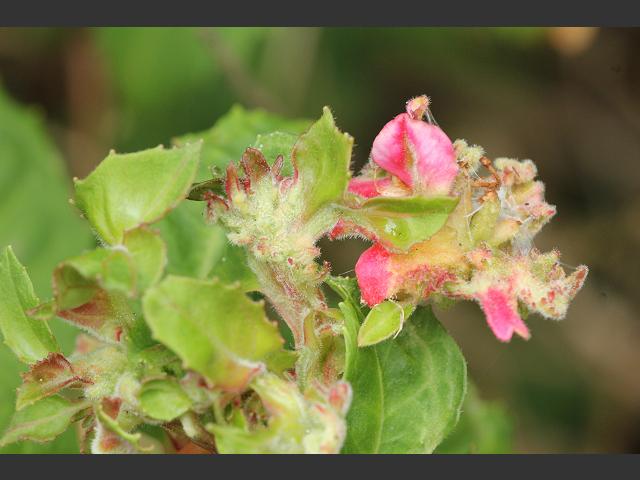
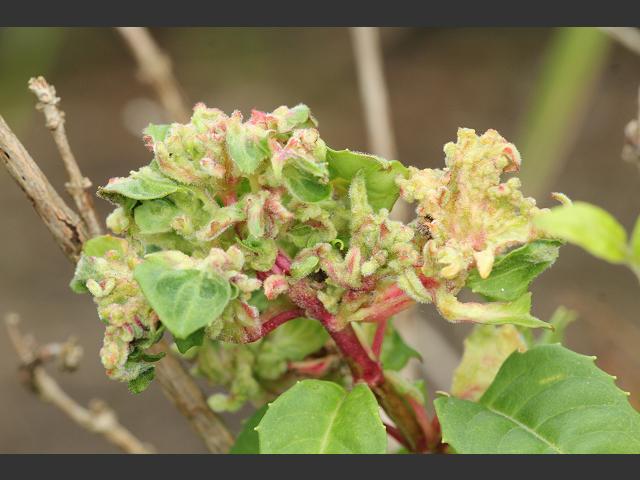
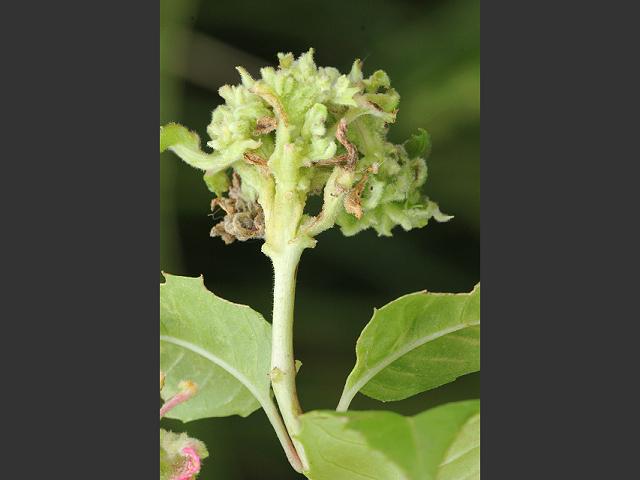
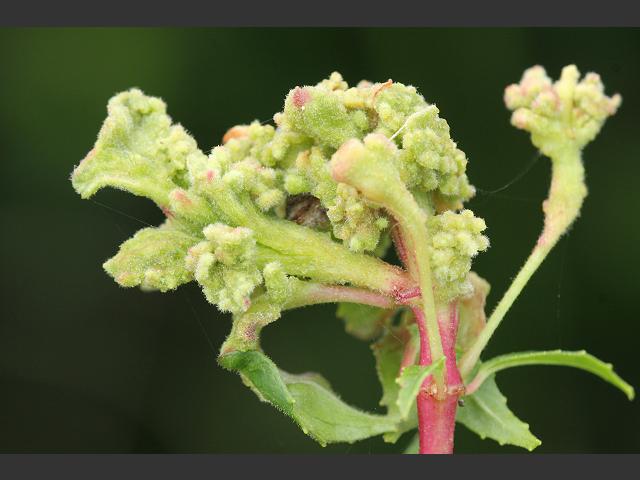
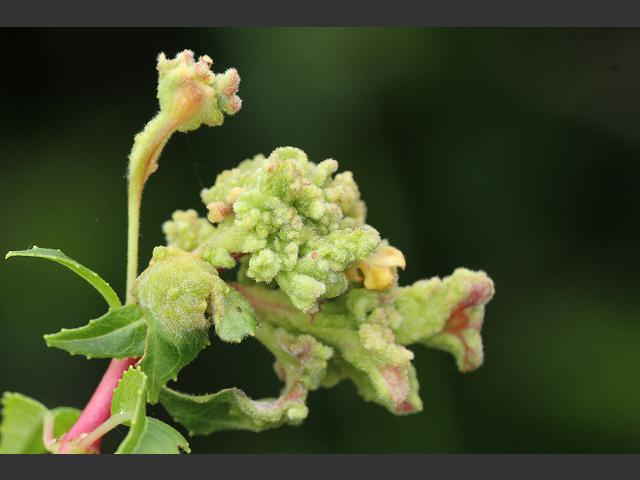
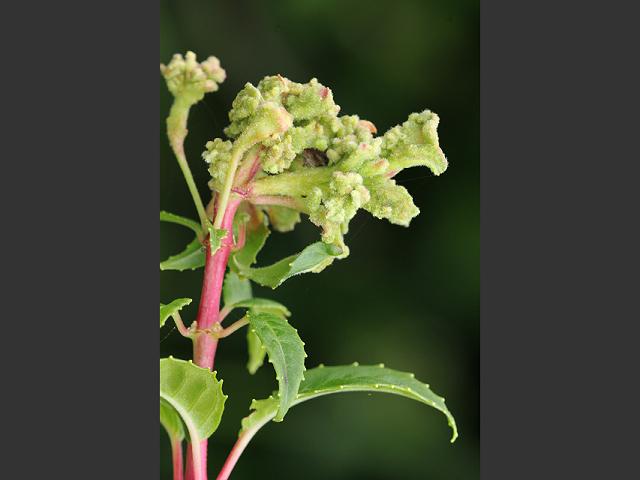
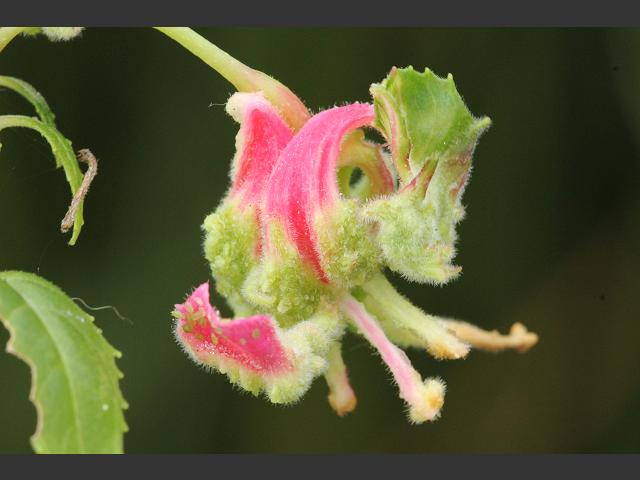
Aculops fuchsiae - Fuchsia gall mite (Gall mite images)
Scroll down and rollover titles to change screen image or click on title to view image.
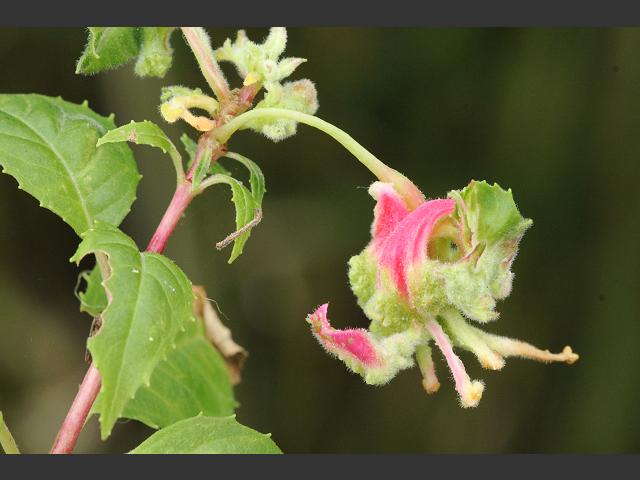
Aculops fuchsiae
Fuchsia gall mite
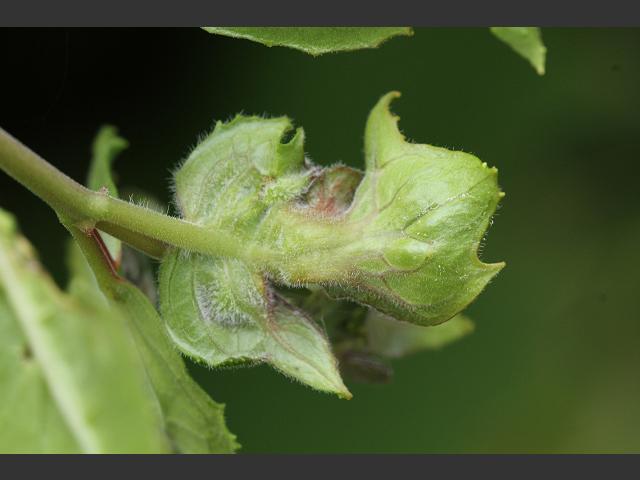
- distorted flower 1
Fuchsia gall mite
- distorted flower 1
Aculops fuchsiae
Fuchsia gall mite
- distorted flower 2
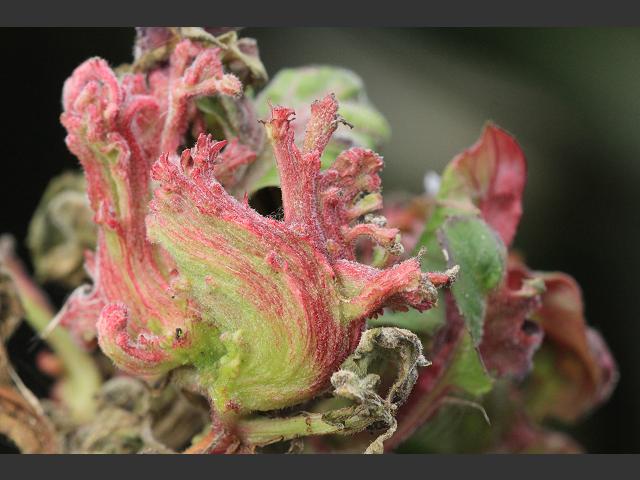
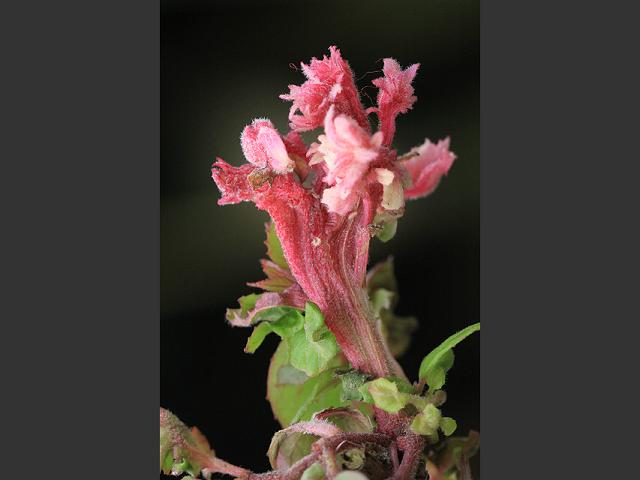
Aculops fuchsiae
Fuchsia gall mite
- fasciation 1
Aculops fuchsiae
Fuchsia gall mite
- fasciation 2
Aculops fuchsiae
Fuchsia gall mite
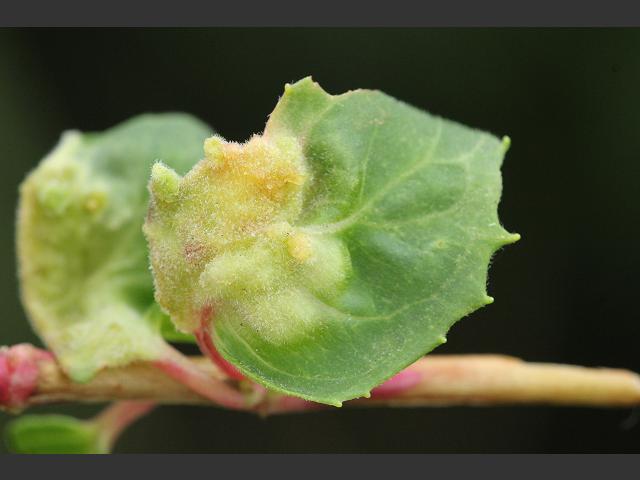
- leaf 1
Aculops fuchsiae
Fuchsia gall mite
- leaf 2
Aculops fuchsiae
Fuchsia gall mite
- leaf 3
Aculops fuchsiae
Fuchsia gall mite
- leaf 4
Aculops fuchsiae
Fuchsia gall mite
- leaf 5
Aculops fuchsiae
Fuchsia gall mite
- leaf 6
Aculops fuchsiae
Fuchsia gall mite
- leaf / shoot tip 1
Aculops fuchsiae
Fuchsia gall mite
- leaves / shoot tip 1
Aculops fuchsiae
Fuchsia gall mite
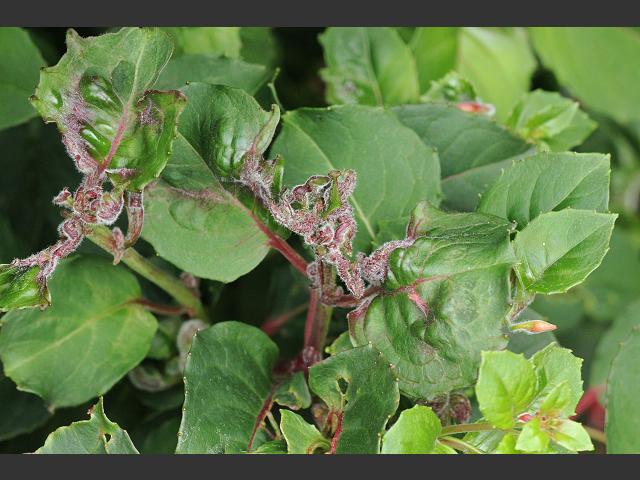
- leaves / shoot tips 1
Aculops fuchsiae
Fuchsia gall mite
- leaves / shoot tips 2
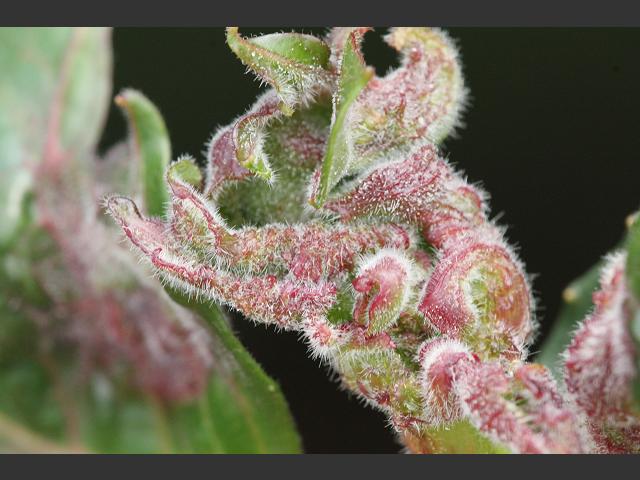
Aculops fuchsiae
Fuchsia gall mite
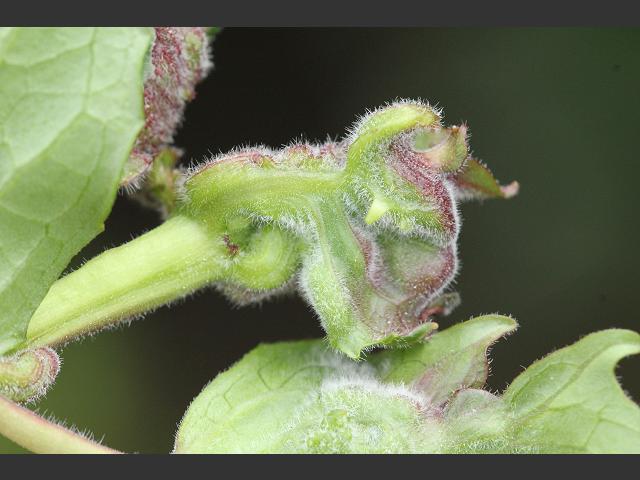
- shoot tip 1
Aculops fuchsiae
Fuchsia gall mite
- shoot tip 2
Aculops fuchsiae
Fuchsia gall mite
- shoot tip 3
Aculops fuchsiae
Fuchsia gall mite
- shoot tip 4
Aculops fuchsiae
Fuchsia gall mite
- shoot tip 5
Aculops fuchsiae
Fuchsia gall mite
- shoot tip 6
Images of species taken on Fuchsias at Bolitho Gardens, Wherrytown, Penzance, Cornwall. 29.07.11.
Infected plants found at the following locations-
SW 46589 29405
SW 46469 29263
SW 46509 29312
SW 46641 29420
Further Reading -
DEFRA Factsheet
On seeing the symptoms; best advice is to prune and burn infected shoots and keep an eye out for re-infection; or dig out and burn infected plants. There is nothing that can be practically done to stop the spread of this mite in the UK and therefore it is something Fuchsia growers will have to learn to live with. At the time of writing this the species has been reported to be found in Penzance, Newlyn, Carbis Bay, St. Ives and Falmouth in Cornwall; and in Torquay in Devon; although it is likely to be everywhere in between as the mite is small enough to be carried on the wind and from flower to flower by bees.
APHOTOFAUNA supports open source data recording and sharing for the benefit of wildlife, recorders, research, science and education. The project works closely with the following bodies and organisations.

The CISFBR or Cornwall and Isles of Scilly Federation of Biological Recorders is an independent umbrella organisation supporting independent recorders and recording groups in the county of Cornwall.

The Cornish Biodiversity Network or CBN is the largest open source wildlife database in Cornwall that sends open source data to the NBN (National Biodiversity Network). It is a new recording system based on the ERICA database, the largest recording resource in Cornwall. The CBN best supports the activities and needs of the independent recording community and recording groups in Cornwall.

The National Biodiversity Network or NBN is a charity that supports open source data sharing and recording supporting conservation, science and education.
"Why do recorders need open source?". Simply because it supports the core values of wildlife recording and the free use of records and data over a very wide network that includes partners like the Natural History Museum.
The main objective of this website is in furthering environmental awareness and education through the medium of photography. To increase awareness and access to the wildlife of the region and help
people find and identify it. Sometimes the difference between species is obvious but many species can only be determined by observing microscopic characteristics that are specific to any one species.